
Disabled refuge areas ensure access to a safe space for anyone that requires assistance in leaving the building.



Brightfire services provide a full package for the design, installation and maintenance of disabled refuge areas in your property. We will work closely with you to understand the accessibility needs of your business and, with careful consideration of your building’s layout, we will identify suitable locations for disabled refuge areas. Communication and alarm systems installed in the refuge areas will allow disabled or injured individuals to alert emergency services to their location, ensuring a prioritised rescue effort.

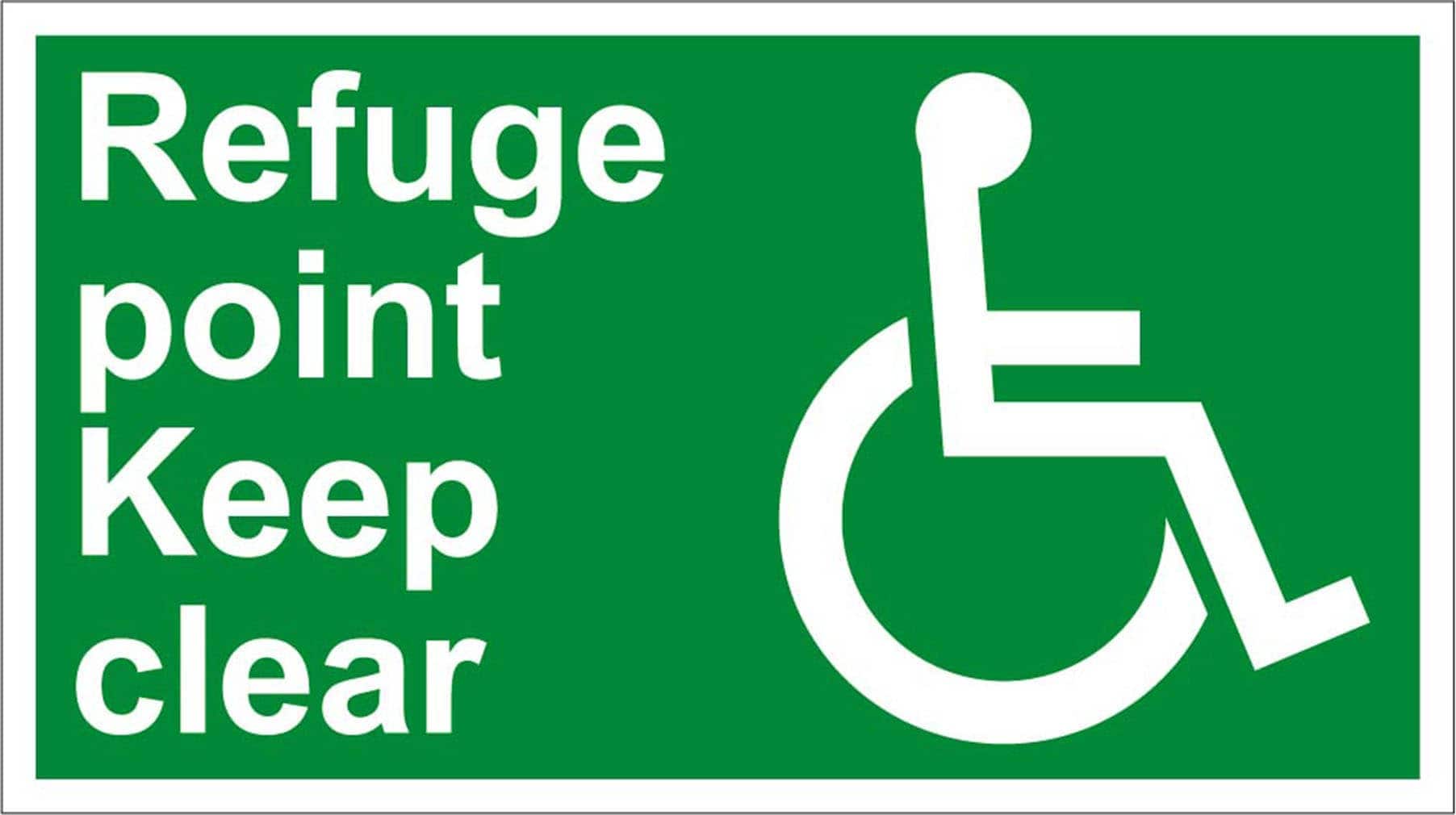
Our team provides training for your staff on the appropriate use of disabled refuges and how to aid individuals that may require additional assistance during an emergency.
Let us tailor a disabled refuge system that ensures accessibility for all, and secure your business with Brightfire Services. Contact us to begin safeguarding your premises and personnel today.
Brightfire Services offer compliance reviews of your current evacuation system, these strenuously evaluate the current safety of your premises during evacuation, and the additional assistance available to individuals that need it. Our expert team then offers consultations to assess potential flaws in the current evacuation system, and devise a plan on how to begin upgrading your evacuation system and accessibility.
Our team will conduct a thorough assessment of your existing evacuation strategies and accessibility.
Following the evaluation, recommendations are provided of areas to address for improvements to evacuation safety and accessibility. We will work with you to design and install, or upgrade, disabled refuge areas.
Brightfire Services leverage the latest technology and our accredited industry insight to provide disabled refuge areas with heightened safety and accessibility
Common Questions.
Disabled refuge areas are a safety feature typically found in multi-floor buildings that accommodate individuals that cannot freely evacuate during an emergency. This can include, but is not limited to; physically impaired individuals and wheelchair users, pregnant women, the elderly and anyone else who is not able to leave the building through emergency exits. Disabled refuges are designed and built in areas of the highest structural safety, providing the highest relative safety for individuals waiting for aid.
Regular inspection of the disabled refuge area should be carried out to ensure that it is clear and available for use, especially by persons in a wheelchair. It is generally recommended to review and test the system properly annually, checking the function of the emergency alert and communication system and any other features available in the refuge.
Refuge areas are usually located near stairwells or exit routes, providing accessibility for evacuees, whilst being quickly available for emergency responders and aid workers. Disabled refuge areas are also placed in relatively structurally safe locations, protecting individuals awaiting rescue and ensuring peace of mind.
Yes, under the Disability Discrimination Act (1995) and the Regulatory Reform (Fire Safety) Order 2005, it is required for employers to take responsibility for providing all people, including those with disability, with a safe exit in the case of an emergency. Failure to provide adequate services for protection of disabled people during emergency and evacuation may be viewed as discrimination.